Food Waste Collection for Businesses: Everything You Need to Know
Updated: Oct 3
If your business deals with food in any capacity (whether making it, ordering it, staff bringing in lunches), there's a good chance you need a proper food waste collection service.
But what we find is that many business owners are unsure about...
What counts as food waste
Whether food waste collection is legally required
What type of bin they need
How often collections should happen
What size food waste bin to choose
This guide explains everything you need to know about food waste.
What Is Food Waste?
Food waste is exactly what it sounds like: Food and food-related materials that your business throws away.
This includes waste created during:
Food preparation
Cooking
Serving customers
Cleaning kitchens
Spoiled or expired stock
Leftovers from staff meals
Food waste is normally collected separately from general waste and mixed recycling because food waste is processed differently and should be diverted away from landfill.
What counts as Food Waste?
Many businesses underestimate how much food waste they actually produce. You might think, hang-on, we're not a restaurant - we don't need this.
But, even businesses outside hospitality can generate food waste.
Food Waste typically includes
✅ Leftover food
✅ Plate scrapings
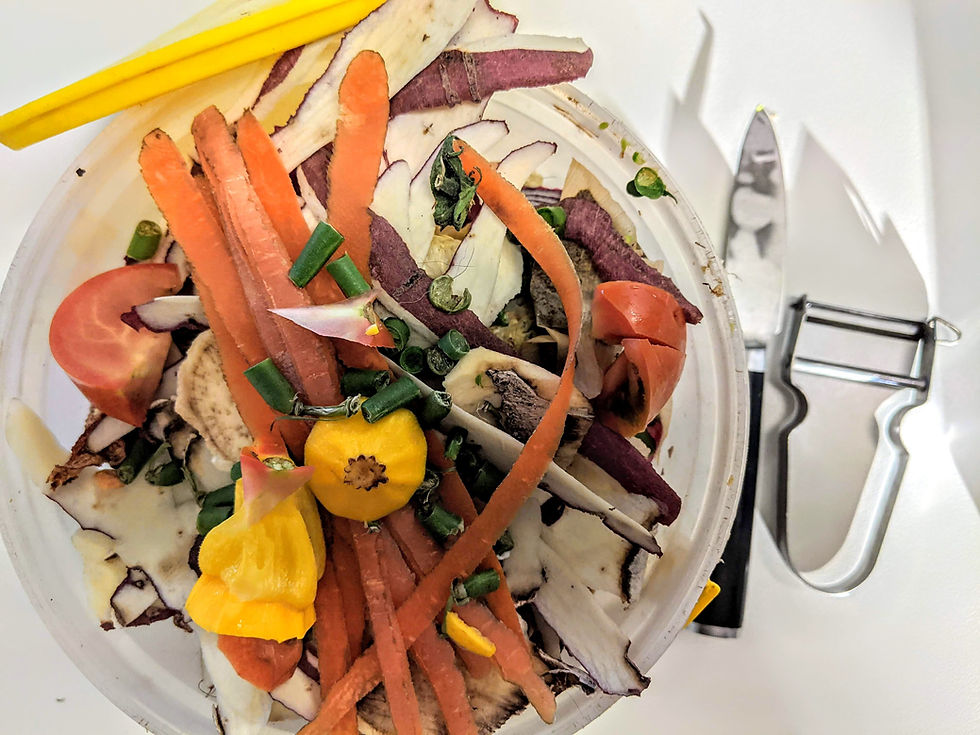
✅ Fruit and vegetable peelings
✅ Expired ingredients
✅ Tea bags and coffee grounds
✅ Bread, rice and pasta
✅ Meat and fish waste
✅ Dairy products
✅ Food preparation waste
✅ Spoiled stock
For example:
A café may throw away food prep waste, leftovers and coffee grounds.
An office kitchen may generate sandwich waste, tea bags and expired milk.
A pub may dispose of food scraps and expired stock.
A supermarket or convenience store will need to throw away spoiled or damaged packaged food.
What should NOT go in a Food Waste bin?
Food waste bins are only for food-related waste. They should not be treated like a general rubbish or recycling bin.
Avoid putting these in your Food Waste bin
❌ Plastic packaging
❌ Drinks cans
❌ General rubbish
❌ Cardboard packaging
❌ Chemicals or cleaning products
❌ Electrical waste
❌ Non-food packaging materials
For example:
A banana peel belongs in food waste. But, the plastic wrapper from the banana bunch does not.
Do businesses legally need Food Waste collections?
In the majority of cases, yes.
Businesses in England are increasingly expected to separate food waste as part of workplace recycling requirements.
But, the rules can vary across the UK, and requirements depend on business type and location.
A good rule of thumb is that businesses producing larger amounts of food waste should certainly ensure they have suitable food waste collection arrangements in place.
You may also see older guidance referring to a 5kg per week food waste threshold, which has historically been referenced in some regulations and guidance.
For most businesses, the practical question is simple:
If your business regularly produces food waste, you will usually benefit from a dedicated food waste bin and collection service and soon it will be legally required for all businesses. Or risk being fined or your waste collector refusing to collect your waste.
Why separate Food Waste?
Throwing food into general waste creates a lot of problems for business owners
Food waste is heavy and It smells.
Separating food waste can help businesses:
Reduce overflowing bins
Improve hygiene
Lower general waste volumes
Improve recycling and sustainability efforts
For hospitality businesses like pubs and restaurants, especially, food waste separation is essential.
What Bin does Food Waste require?
Food waste is usually collected in a dedicated 240L food waste wheelie bin.
Unlike general waste and mixed recycling, food waste collection has only 1 bin size.
And that's a 240L bin (this is because it's such a heavy type of waste that if a larger bin was filled with food waste a waste truck wouldn't be able to lift it).
Food waste itself should also be placed in clear bin bags.
If your business produces larger amounts of food waste, instead of larger bins (not permitted) you'll need multiple 240L bins.
Food Waste bin sizes explained
240L Food Waste Bin
Best for: Most businesses producing food waste.
Typical businesses include:
Restaurants
Pubs
Cafés
Hotels
Schools
Offices with kitchens
Convenience stores
Catering businesses
Typical food waste includes:
Food leftovers
Preparation waste
Tea bags and coffee grounds
Expired ingredients
Typical collection frequency: Weekly or multiple scheduled collections depending on food waste volume.
What if one bin is not enough?
If a business produces larger waste volumes, multiple 240L bins are recommended.
For example:
Business Type | Typical Setup |
Small office kitchen | 1 x 240L bin |
Small café | 1 x 240L bin |
Busy pub kitchen | 2+ x 240L bins |
Restaurant | Multiple 240L bins |
Hotel kitchen | Multiple 240L bins |
How often should Food Waste be collected?
Food waste usually needs collecting more frequently than general waste. This is because food waste decomposes quickly.
This causes smells, hygiene concerns, and pests.
Getting the right collection frequency for your business will depend on:
Waste volume
Kitchen size
Storage space
Number of customers or staff
Typical collection frequencies
Business Type | Typical Frequency |
Small office kitchen | Weekly |
Café | Weekly |
Pub kitchen | Weekly or multiple scheduled collections |
Restaurant | Weekly or multiple scheduled collections |
Hotel | Weekly or multiple scheduled collections |
School or care home | Weekly |
For most businesses, weekly collections are common.
Higher-volume hospitality businesses may require more frequent scheduled collections.
Fortnightly is rare and many waste collectors won't offer this option due to the hygiene concerns mentioned earlier.
Which businesses need Food Waste collections?
Food waste collection is not just for restaurants. Many businesses generate food waste every week. Such as...
Restaurants & Takeaways
Common food waste includes:
Plate leftovers
Prep waste
Spoiled ingredients
Pubs
Common food waste includes:
Kitchen prep waste
Expired stock
Food leftovers
Offices
Common food waste includes:
Tea bags
Coffee grounds
Staff lunches
Expired milk and food
Hotels & Hospitality
Common food waste includes:
Breakfast waste
Kitchen preparation waste
Guest food leftovers
Schools & Care Homes
Common food waste includes:
Meal leftovers
Catering waste
Kitchen preparation waste
Convenience Stores
Common food waste includes:
Expired products
Spoiled food items
Common Food Waste Mistakes Businesses Make
Putting Food Waste into General Waste
This quickly increases general waste volumes. And food waste is often the heaviest material businesses throw away. So less food in your general waste, less general waste collection costs.
Using the wrong bin setup
One small bin may not be enough for a busy hospitality business. Multiple 240L bins are often the better solution.
Waiting too long between collections
Food waste left sitting too long creates hygiene problems (especially during warmer months). You don't want a business that smells or has rats.
Contaminating Food Waste
Plastic packaging, cans and general rubbish should stay out of food waste bins. Otherwise, your waste may be refused by your collector and regular failure to keep food waste separate will inevitably result in fines enforced by the government.
Frequently Asked Questions
What counts as business food waste?
Food waste includes leftovers, preparation waste, spoiled ingredients, tea bags, coffee grounds and expired food stock.
Do businesses legally need food waste collection?
Requirements vary by location and business type, but many businesses are expected to separate food waste where it is produced as part of workplace recycling requirements.
What size food waste bin do I need?
Most businesses use a 240L food waste bin. Higher-volume businesses typically use multiple bins.
Can packaging go into food waste?
No. Packaging materials should usually be separated into recycling or general waste depending on the material.
How often should food waste be collected?
Most businesses arrange weekly collections, while higher-volume premises may require more frequent scheduled collections.
Do offices need food waste collection?
Yes. Even office kitchens often produce tea bags, coffee grounds, leftover staff food and expired items.
Compare Food Waste Collection prices
Not sure how many food waste bins your business needs? Unsure how often collections should happen? Or simply want to compare prices?
Compare food waste collection quotes tailored to your business and find a setup that works for your waste volume, collection needs and budget.


.png)